Why Do Mushrooms Need Sterile Conditions Indoors but Not Outdoors?
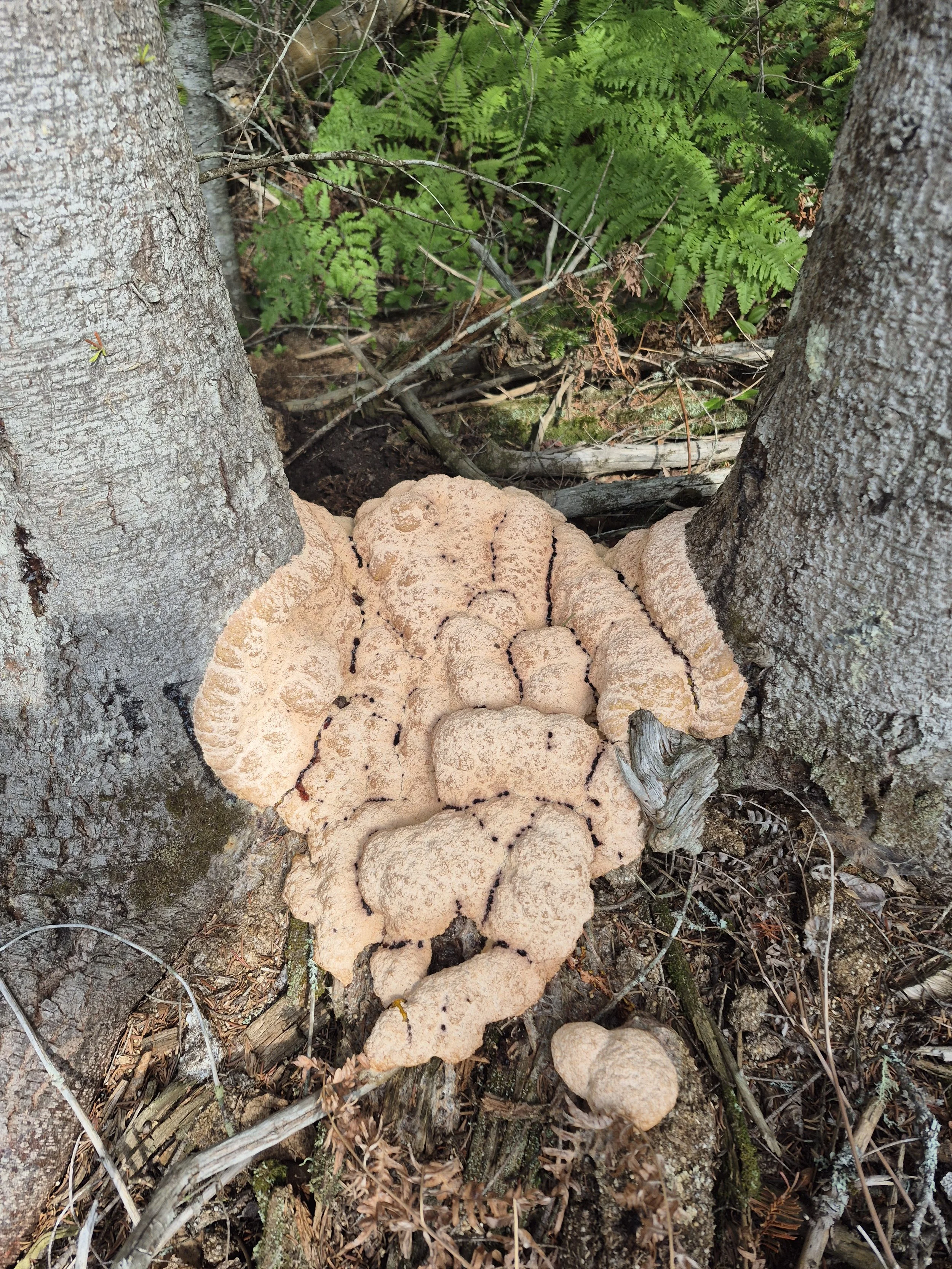
Dog vomit slime (Fuligo septica) growing naturally in a forest. Nature is filled with organisms competing for the same resources.
One of the first questions many new mushroom growers ask is, "If mushrooms grow naturally in forests, fields, and on fallen logs surrounded by mold, bacteria, insects, and countless other microorganisms, why do indoor growers work so hard to keep everything sterile?"
It's a great question, and the answer surprises many beginners.
Mushrooms do not require sterile conditions to grow. Indoor growers use sterile techniques to give the mushroom mycelium the best possible chance to colonize the substrate before other organisms can take over.
How Do Mushrooms Grow Outdoors?
In nature, mushrooms are constantly competing with other fungi, bacteria, molds, and microorganisms for the same food source. When a mushroom spore lands on a fallen tree or another suitable material, there is no guarantee it will successfully grow.
Sometimes the mushroom wins the competition. Other times, another organism reaches the food source first.
This natural competition has been taking place for millions of years and is simply part of how mushrooms grow in the wild.
Why Are Sterile Conditions Important Indoors?
Indoor mushroom cultivation is different because growers are trying to grow a single mushroom species without competition.
Before the substrate is inoculated, it is sterilized to eliminate most of the bacteria, molds, and other microorganisms that could compete with the mushroom mycelium.
Once the substrate has been sterilized, the mushroom culture is introduced. With very little competition remaining, the mycelium can quickly colonize the substrate and establish itself before unwanted organisms have a chance to grow.
What Happens If the Substrate Is Not Sterile?
If unwanted microorganisms are already present, they may begin growing before the mushroom mycelium has a chance to establish itself.
Many molds and bacteria grow extremely quickly and compete for the same nutrients that the mushroom needs. If they become established first, they may slow down or completely prevent healthy mushroom growth.
This is why growers use sterilized substrates, clean equipment, and careful sterile techniques during inoculation.
Does the Mycelium Become More Resistant After Colonization?
Yes. Once a substrate has been fully colonized, the mushroom mycelium has already occupied most of the available food source.
Although contamination can still occur, a fully colonized substrate is generally much more resistant to contamination than fresh, uncolonized substrate because the mycelium has already established itself and has far fewer opportunities for competing organisms to take hold.
Conclusion
Mushrooms do not need sterile conditions because they are unable to grow outdoors. They have successfully grown in nature for millions of years by competing with countless other organisms.
Indoor growers simply remove as much of that competition as possible before inoculation, giving the mushroom mycelium the best possible opportunity to colonize the substrate and produce healthy mushrooms.