What Is Grain Spawn
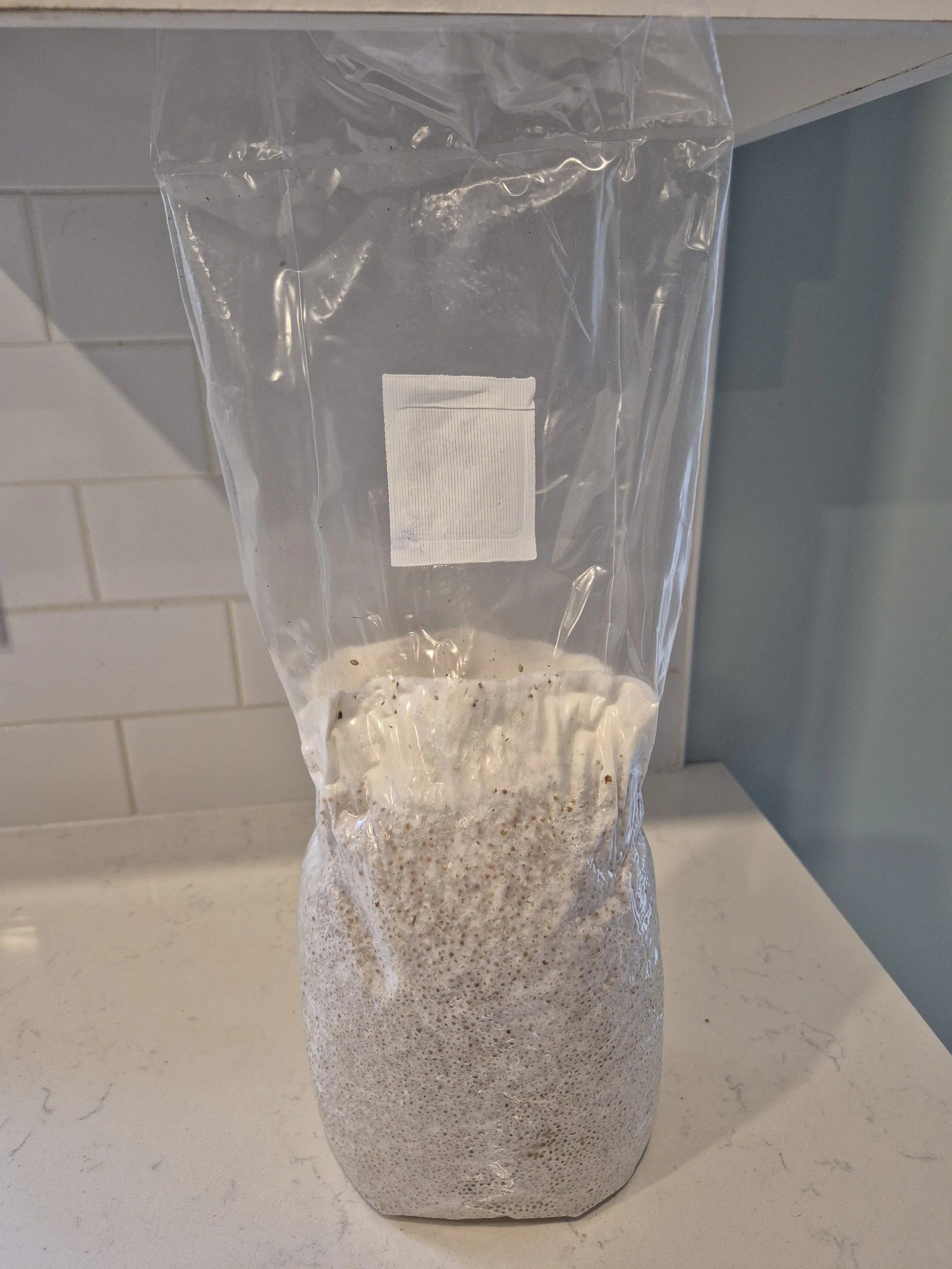
Close-up view of healthy millet grain spawn fully colonized by mushroom mycelium.
Grain spawn is one of the most important materials used in mushroom cultivation. It consists of sterilized grains that have been colonized by mushroom mycelium and are used to inoculate bulk substrate.
Once grain spawn is fully colonized, it can be mixed with larger amounts of substrate such as hardwood sawdust, straw, or supplemented mushroom-growing media. The mycelium spreads through the substrate and eventually produces mushrooms.
How Grain Spawn Is Used
Grain spawn serves as the bridge between a mushroom culture and bulk substrate. Once the grain has been fully colonized by mycelium, it is mixed with bulk substrate such as hardwood sawdust, straw, or other growing media. The grain acts as hundreds of inoculation points, allowing the mycelium to spread quickly throughout the substrate and prepare it for mushroom production.
Why Grain Spawn Is Important
Grain spawn plays an important role in mushroom cultivation because it helps distribute mycelium throughout a substrate quickly and evenly. The more inoculation points that are present, the faster the mycelium can colonize the substrate. Faster colonization can reduce the opportunity for competing molds and contaminants to establish themselves.
Grain spawn also allows growers to expand a small amount of mushroom culture into a much larger volume of substrate. This makes it an efficient way to produce mushroom blocks for cultivation.
Common Types of Grain Used For Spawn
Different types of grain can be used to produce grain spawn, and each has its own advantages. Common choices include millet, rye, wheat, and oats. The primary purpose of the grain is to provide a nutritious food source for the mycelium while allowing it to be distributed evenly throughout a bulk substrate.
Millet is a popular choice among many mushroom growers because its small size creates a large number of inoculation points when mixed with substrate. Rye, wheat, and oats are also commonly used and can support vigorous mycelial growth when properly prepared and sterilized.
Grain Spawn vs Liquid Culture
Liquid culture and grain spawn serve different purposes in mushroom cultivation. Liquid culture contains living mushroom mycelium suspended in a nutrient-rich liquid and is commonly used to inoculate sterilized grain. Grain spawn is the next step in the process, consisting of grain that has already been colonized by mushroom mycelium.
In a typical cultivation workflow, liquid culture is used to inoculate grain, and the resulting grain spawn is then used to inoculate bulk substrate. Together, these materials allow growers to expand mushroom cultures and prepare substrate for mushroom production.
Conclusion
Grain spawn consists of grain that has been colonized by mushroom mycelium and is used to inoculate bulk substrate. It is an important part of the mushroom cultivation process and helps growers expand cultures into larger growing media for mushroom production. Understanding how grain spawn works can help beginners better understand the relationship between liquid culture, grain spawn, and bulk substrate.